The Ultimate Guide to Phone Chargers: What You Need to Know
In today’s fast-paced world, staying connected is essential, and phone chargers play a crucial role in keeping our devices powered. However, there are many misconceptions surrounding phone chargers that can lead to confusion and poor purchasing decisions. This guide aims to debunk common myths and provide you with the knowledge needed to choose the right charger for your needs.
Myth: All Phone Chargers Are the Same
Many people believe that any phone charger will work with any device, but this is far from the truth. Different devices have varying power requirements, and using an incompatible charger can lead to slow charging or even damage to your device. For instance, a charger designed for an older model may not provide enough power for a newer smartphone, resulting in frustration and inconvenience.
The truth is that chargers come in various wattages and specifications tailored to specific devices. For example, fast chargers can deliver higher wattage, allowing your phone to charge significantly faster than standard chargers. Understanding your device’s charging needs is essential to ensure optimal performance and longevity.
Myth: Higher Wattage Equals Faster Charging
Another common misconception is that simply using a charger with a higher wattage will always result in faster charging. While it’s true that higher wattage chargers can charge devices more quickly, this is only effective if the device itself supports fast charging. Many smartphones have built-in limitations that prevent them from drawing more power than they are designed to handle.
In reality, using a charger with a wattage higher than what your device can handle won’t harm it, but it won’t necessarily speed up the charging process either. It’s crucial to check your device’s specifications and use a charger that matches its capabilities to achieve the best results.
Myth: Wireless Charging Is Always Slower
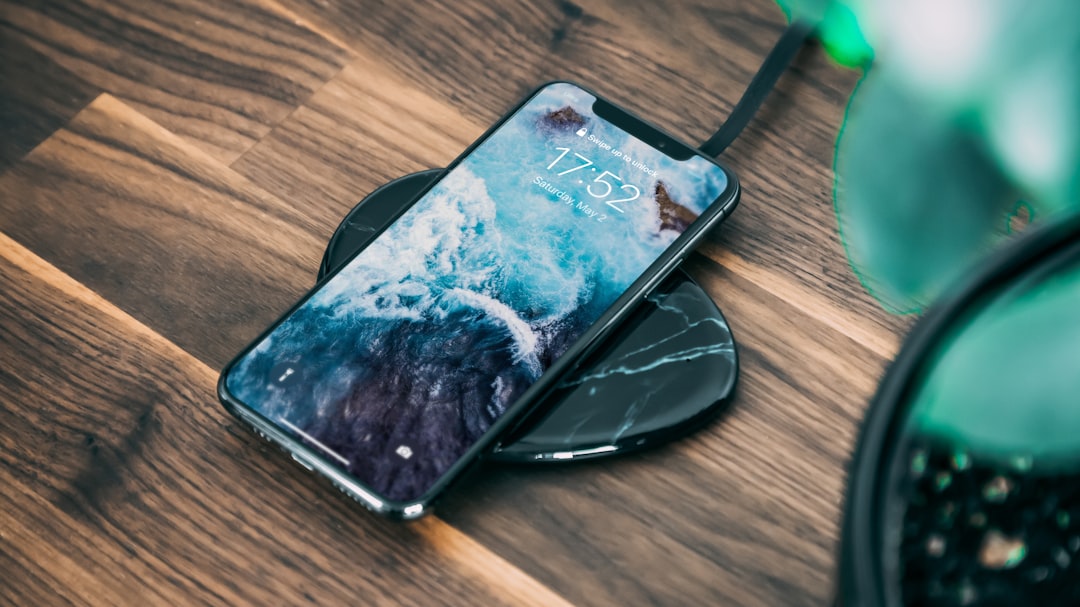
Wireless charging has gained popularity in recent years, leading many to believe that it is inherently slower than wired charging. While it is true that some wireless chargers may not deliver the same speed as their wired counterparts, advancements in technology have led to the development of fast wireless chargers that can compete with traditional charging methods.
The truth is that the charging speed of wireless chargers can vary based on several factors, including the charger’s wattage, the phone’s compatibility, and the case thickness. If you invest in a high-quality wireless charger designed for fast charging, you may find that the convenience of wireless charging outweighs the slight difference in speed.
Myth: Using Your Phone While Charging Is Harmful
Many users are concerned that using their phones while charging can damage the battery or slow down the charging process. This myth stems from the idea that multitasking can overheat the device and strain the battery. While it is true that using resource-intensive applications can generate heat, modern smartphones are designed to handle such scenarios.
The truth is that using your phone while it charges is generally safe, as long as you are using a quality charger and not exposing the device to extreme conditions. However, it is advisable to avoid heavy gaming or video streaming during charging, as these activities can lead to increased heat generation, which may affect battery health over time.
Myth: Cheap Chargers Are Just as Good as Brand Name Chargers
With the rise of online shopping, many consumers are tempted to purchase cheap, generic chargers that promise the same performance as brand name products. While these chargers may be more affordable, they often lack the quality and safety features found in reputable brands. Using subpar chargers can lead to overheating, short-circuiting, and even damage to your device.
The truth is that investing in a high-quality charger from a trusted brand can save you money in the long run by ensuring your device charges safely and efficiently. Always look for chargers that meet safety standards and have positive reviews to avoid potential hazards.